
Blown-In Insulation in Denver, Colorado
Fast, seamless coverage for attics and hard-to-reach spaces. We blow in fiberglass or cellulose to the exact depth your home needs - filling every gap and topping off thin, settled insulation so your attic finally holds its heat.
Lower Energy Costs
Healthier Indoor Air
Improved Indoor Comfort
Long-Term Protection
Why Denver Homeowners Trust Grizzly
Blown-in insulation is the most efficient way to insulate an attic. Machine-blown fiberglass or cellulose settles into every joist bay, corner, and awkward gap that batts can’t reach, giving you consistent, gap-free coverage across the whole attic floor. It’s also the easiest way to top off insulation that has thinned or settled over the years. Installed to the right depth and density, blown-in insulation is one of the highest-return upgrades for a Denver home – warmer in winter, cooler in summer, and lower energy bills year-round.
ENERGY SAVINGS
Seamless attic coverage that keeps heating and cooling costs down.
YEAR-ROUND COMFORT
Even out hot and cold rooms for steady temperatures on every floor.
PROPER R-VALUE
We blow in to the exact depth and R-value your attic needs.
MOISTURE PROTECTION
Even, complete coverage helps limit condensation and keep the attic dry.
PEST-RESISTANT SOLUTIONS
Treated cellulose options resist pests, mold, and fire.
RESIDENTIAL & COMMERCIAL EXPERIENCE
Blown-in insulation for homes, offices, and commercial buildings.
How We Blow In Your Insulation, Step by Step
Step 1
Free
Inspection
We inspect your attic and measure the coverage and R-value you need.
Step 2
Personalized Advice
We recommend the right material – fiberglass or cellulose – and give you a clear scope and quote.
Step 3
Professional Installation
We blow in insulation to an even depth, filling every gap and joist bay.
Step 4
Long-Term Results
Enjoy a warmer, quieter, more efficient home with insulation that performs for decades.
Signs Your Home Needs Blown-In Insulation
Many insulation and energy-efficiency issues develop gradually, making them easy to overlook. If you’re experiencing any of the signs below, your property may benefit from a professional inspection.
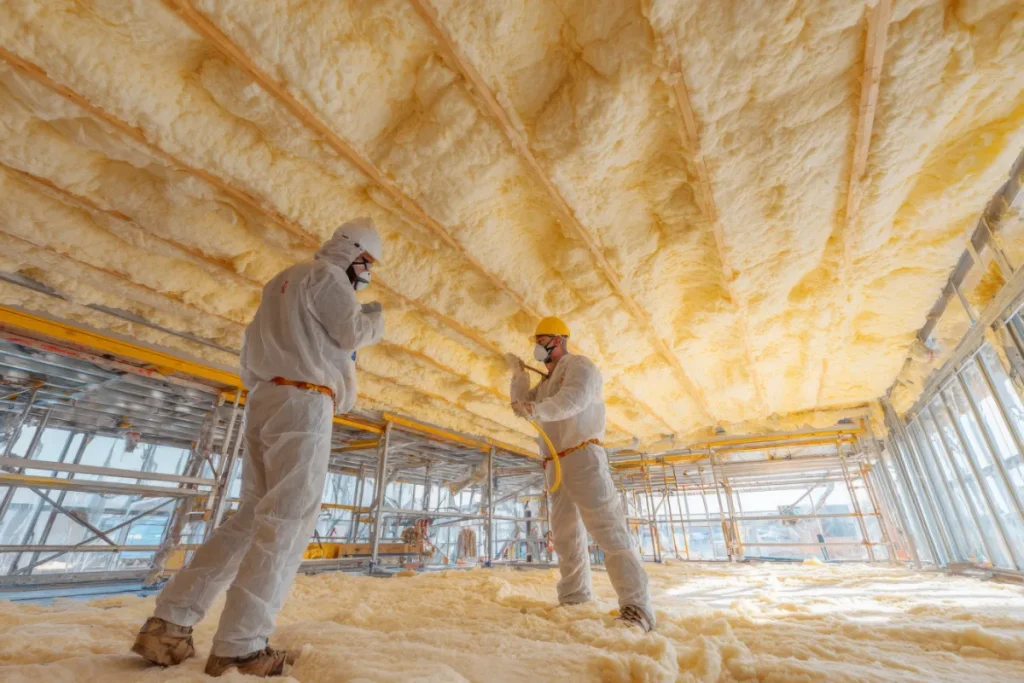
High Energy Bills
If heating and cooling costs continue to rise, insufficient insulation or hidden air leaks may be forcing your HVAC system to work harder than necessary.
Drafts & Air Leaks
Noticeable drafts around doors, windows, attics, or crawl spaces can lead to energy loss and reduced indoor comfort.
Pest Activity or Contaminated Insulation
Rodents and pests can damage insulation, leave contaminants behind, and reduce its effectiveness over time.
Uncomfortable Attic or Crawl Space Conditions
Extreme temperatures, humidity, or poor ventilation in these areas can affect the comfort and efficiency of the entire building.
Uneven Room Temperatures
Hot and cold spots throughout your property often indicate inadequate insulation coverage or areas where conditioned air is escaping.
Old or Damaged Insulation
Settled, compressed, wet, or deteriorated insulation may no longer provide the protection your property needs.
Moisture, Humidity, or Mold Concerns
Excess moisture in attics or crawl spaces can contribute to mold growth, structural issues, and poor indoor air quality.
Aging Commercial or Residential Buildings
Older properties often lack modern insulation standards and may be missing key energy-saving improvements.
Book Your Free Blown-In Insulation Estimate
Get a Free Quote
We’ll respond within 24 hours
By submitting this form, you agree to our Privacy Policy .
For Homes and Commercial Buildings
RESIDENTIAL
Blown-in insulation gives attics seamless, gap-free coverage for lower bills and steady comfort.
COMMERCIAL
Blown-in insulation covers large commercial ceilings and attics quickly and efficiently.
Where Blown-In Insulation Works Best
Many insulation and energy-efficiency issues develop gradually, making them easy to overlook.
If you’re experiencing any of the signs below, your property may benefit from a professional inspection.
Attic Floors
Blown-in fills every joist bay for even, gap-free coverage across the whole attic floor.
Topping Off Thin Insulation
We add blown-in over existing insulation that has settled or thinned over time to restore its R-value.
Hard-to-Reach Cavities
Blown-in reaches tight corners, roof slopes, and irregular spaces that batts can't.
Enclosed Wall Cavities
We can dense-pack existing closed walls with blown-in insulation without tearing out drywall.
Serving Denver & the Front Range
Questions Homeowners Ask Us Most
Blown-in (loose-fill) insulation is fiberglass or cellulose blown into place with a machine. It’s the most efficient way to cover attic floors and fill hard-to-reach spaces evenly.
Blown-in is ideal for attic floors, topping off existing insulation, and irregular or hard-to-reach spaces. Batts suit open, accessible framing like walls and new construction. We’ll recommend the right fit, or a combination of both.
Both perform well. Cellulose is denser and made from recycled material with fire and pest treatment; fiberglass is lighter and resists settling. We’ll advise based on your attic and budget.
Yes. Topping off settled or thin insulation with blown-in is one of the fastest, most cost-effective ways to restore your attic’s R-value.
Denver attics typically call for a high R-value. We measure your current depth and blow in to current Colorado recommendations.
For attics, it’s one of the highest-return upgrades you can make – fast to install, seamless coverage, lower energy bills, and steadier comfort.
Still Have Questions?