
Crawl Space Insulation in Denver, Colorado
Cold floors, musty air, and high bills usually start in the crawl space. We insulate, seal, and encapsulate it so your whole home stays warmer, drier, and healthier.
Lower Energy Costs
Healthier Indoor Air
Improved Indoor Comfort
Long-Term Protection
Why Denver Homeowners Trust Grizzly
An unsealed crawl space lets cold air, moisture, and musty odors rise straight into your living space. In Colorado that means cold floors in winter, higher energy bills year-round, and the risk of mold and wood rot underneath your home. We insulate and seal the crawl space, add a heavy-duty vapor barrier, and encapsulate it where needed, turning a damp, drafty void into a dry, conditioned part of your home.
ENERGY SAVINGS
Stop the cold air rising from your crawl space into your floors.
YEAR-ROUND COMFORT
Warmer floors upstairs and steadier temperatures throughout.
AIR SEALING EXPERTISE
Seal the vents and gaps that let outside air and pests in.
MOISTURE PROTECTION
A vapor barrier blocks the ground moisture that feeds mold and rot.
PEST-RESISTANT SOLUTIONS
We clear out wet, moldy, or rodent-damaged material first.
RESIDENTIAL & COMMERCIAL EXPERIENCE
Crawl space work for homes and commercial buildings.
Our Crawl Space Process, Step by Step
Step 1
Free
Inspection
We inspect the crawl space for moisture, mold, pests, and air leaks.
Step 2
Personalized Advice
We recommend insulation, a vapor barrier, or full encapsulation for your space.
Step 3
Professional Installation
We clean it out, seal the vents and rim joists, insulate, and lay a sealed vapor barrier.
Step 4
Long-Term Results
Enjoy warmer floors, drier air, and lower energy bills year-round.
Signs Your Crawl Space Needs Attention
Many insulation and energy-efficiency issues develop gradually, making them easy to overlook. If you’re experiencing any of the signs below, your property may benefit from a professional inspection.
High Energy Bills
If heating and cooling costs continue to rise, insufficient insulation or hidden air leaks may be forcing your HVAC system to work harder than necessary.
Drafts & Air Leaks
Noticeable drafts around doors, windows, attics, or crawl spaces can lead to energy loss and reduced indoor comfort.
Pest Activity or Contaminated Insulation
Rodents and pests can damage insulation, leave contaminants behind, and reduce its effectiveness over time.
Uncomfortable Attic or Crawl Space Conditions
Extreme temperatures, humidity, or poor ventilation in these areas can affect the comfort and efficiency of the entire building.
Uneven Room Temperatures
Hot and cold spots throughout your property often indicate inadequate insulation coverage or areas where conditioned air is escaping.
Old or Damaged Insulation
Settled, compressed, wet, or deteriorated insulation may no longer provide the protection your property needs.
Moisture, Humidity, or Mold Concerns
Excess moisture in attics or crawl spaces can contribute to mold growth, structural issues, and poor indoor air quality.
Aging Commercial or Residential Buildings
Older properties often lack modern insulation standards and may be missing key energy-saving improvements.
Book Your Free Crawl Space Inspection
Get a Free Quote
We’ll respond within 24 hours
By submitting this form, you agree to our Privacy Policy .
For Homes and Commercial Buildings
RESIDENTIAL
Warmer floors, drier air, and lower bills throughout your home.
COMMERCIAL
Drier, better-sealed crawl spaces for commercial and multi-unit buildings.
What Crawl Space Insulation Includes
Many insulation and energy-efficiency issues develop gradually, making them easy to overlook.
If you’re experiencing any of the signs below, your property may benefit from a professional inspection.
Vapor Barrier & Encapsulation
We line the floor and walls with a heavy-duty vapor barrier and seal it tight, blocking the ground moisture that drives humidity, mold, and musty air.
Crawl Space Wall Insulation
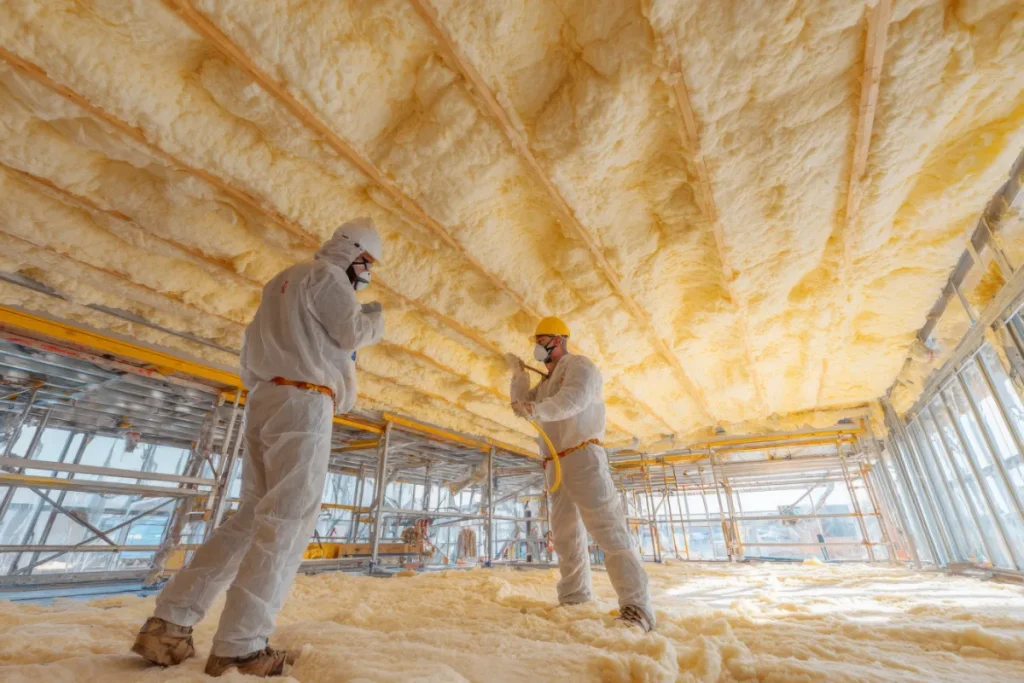
Closed-cell spray foam on the crawl space walls insulates and creates a moisture barrier at the same time, which is ideal for Colorado’s climate.
Rim Joist Sealing
The rim joists above your crawl space are a major source of air leaks. We seal them to stop cold drafts and energy loss.
Moisture & Dehumidification
When a crawl space runs damp, we add drainage and dehumidification so it stays dry long after we are done.
Serving Denver & the Front Range
Questions Homeowners Ask Us Most
It depends on how damp and how vented your crawl space is. Basic insulation with a vapor barrier works for drier spaces, while full encapsulation, sealing the vents, lining the whole space, and adding moisture control, is the better long-term fix for damp Colorado crawl spaces. We inspect first and recommend the level that actually fits your home, instead of overselling.
We find the moisture source first, whether it is ground humidity, poor drainage, or a leak, then deal with it. That usually means a sealed vapor barrier, rim joist and vent sealing, and dehumidification when needed. Insulating a wet crawl space without fixing the moisture just traps the problem, so we handle both together.
Cost depends on the size of the crawl space, its condition, and whether you need basic insulation, a vapor barrier, or full encapsulation with moisture control. We measure the space and give you a clear, itemized estimate at no charge, with financing available so you can spread the cost out.
For most Colorado homes with cold floors, humidity, or musty air, yes. A sealed, insulated crawl space lowers energy bills, warms your floors, protects the structure from mold and rot, and improves the air you breathe upstairs. It is one of the higher-return upgrades for an older Denver home.
Not always. A dry, well-built crawl space may only need insulation and a vapor barrier. Encapsulation makes the biggest difference in crawl spaces that are damp, vented to the outside, or prone to mold and pests. We will tell you honestly which level your home actually needs.
The main one is upfront cost, since encapsulation is more involved than basic insulation. It also has to be done correctly, because sealing a crawl space without managing moisture or combustion-appliance venting can create problems. Handled by a pro who addresses those things, the risks go away, and most homeowners find the warmer floors, lower bills, and mold protection well worth it.
Still Have Questions?