
Insulation Removal in Denver, Colorado
Old, wet, or rodent-soiled insulation drags down your air quality and your energy bills. We remove it cleanly, decontaminate your attic, and re-insulate, all in one job.
Lower Energy Costs
Healthier Indoor Air
Improved Indoor Comfort
Long-Term Protection
Why Denver Homeowners Trust Grizzly
When insulation gets wet, moldy, pest-infested, or simply worn out, it stops protecting your home and starts holding contaminants, odors, and allergens. We safely vacuum out old insulation with HEPA-filtered equipment, clean and decontaminate the space, and haul everything away. In most cases we re-insulate the same attic right after, so you go from a dirty, underperforming attic to a clean, efficient one in a single project.
ENERGY SAVINGS
Clear out failed insulation that no longer protects your home.
YEAR-ROUND COMFORT
Start fresh so your new insulation performs at full value.
AIR SEALING EXPERTISE
Remove rodent droppings, mold, and the odors they leave behind.
MOISTURE PROTECTION
Take out wet, moldy insulation before it spreads further.
PEST-RESISTANT SOLUTIONS
HEPA-filtered vacuums keep dust and contaminants contained.
RESIDENTIAL & COMMERCIAL EXPERIENCE
Removal and cleanout for homes, offices, and commercial buildings.
Our Safe Removal Process, Step by Step
Step 1
Free
Inspection
We inspect the attic and identify contamination, moisture, and pest damage.
Step 2
Personalized Advice
We set up containment and protect your living space before we start.
Step 3
Professional Installation
We vacuum out the old insulation with HEPA equipment and decontaminate the space.
Step 4
Long-Term Results
We haul everything away, then re-insulate so your attic performs like new.
Signs It’s Time to Remove Your Old Insulation
Many insulation and energy-efficiency issues develop gradually, making them easy to overlook. If you’re experiencing any of the signs below, your property may benefit from a professional inspection.
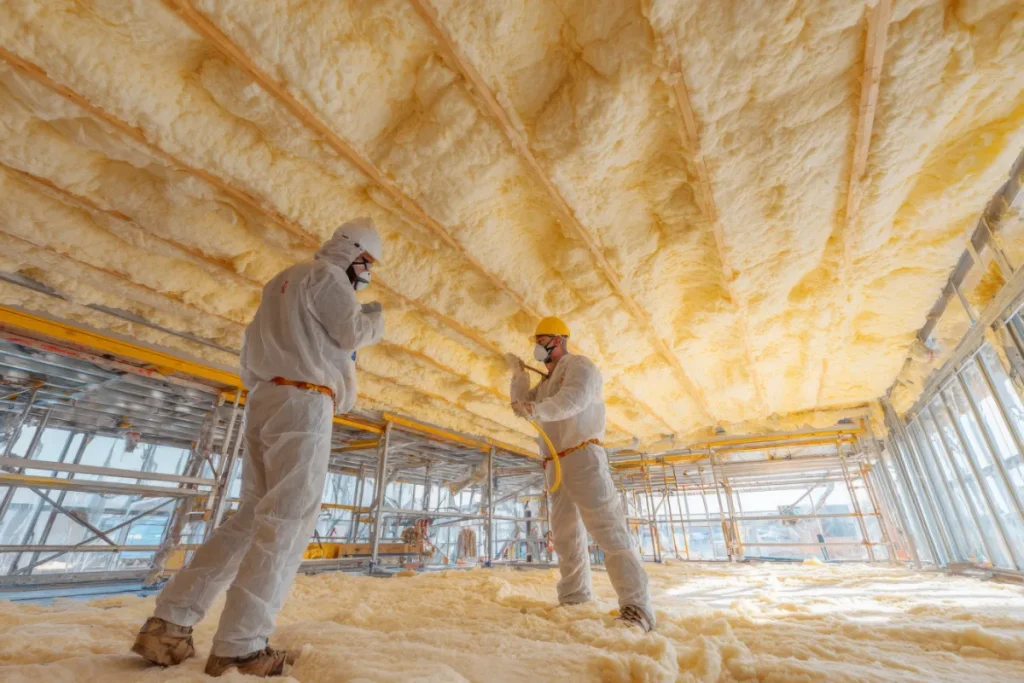
High Energy Bills
If heating and cooling costs continue to rise, insufficient insulation or hidden air leaks may be forcing your HVAC system to work harder than necessary.
Drafts & Air Leaks
Noticeable drafts around doors, windows, attics, or crawl spaces can lead to energy loss and reduced indoor comfort.
Pest Activity or Contaminated Insulation
Rodents and pests can damage insulation, leave contaminants behind, and reduce its effectiveness over time.
Uncomfortable Attic or Crawl Space Conditions
Extreme temperatures, humidity, or poor ventilation in these areas can affect the comfort and efficiency of the entire building.
Uneven Room Temperatures
Hot and cold spots throughout your property often indicate inadequate insulation coverage or areas where conditioned air is escaping.
Old or Damaged Insulation
Settled, compressed, wet, or deteriorated insulation may no longer provide the protection your property needs.
Moisture, Humidity, or Mold Concerns
Excess moisture in attics or crawl spaces can contribute to mold growth, structural issues, and poor indoor air quality.
Aging Commercial or Residential Buildings
Older properties often lack modern insulation standards and may be missing key energy-saving improvements.
Book Your Free Insulation Removal Estimate
Get a Free Quote
We’ll respond within 24 hours
By submitting this form, you agree to our Privacy Policy .
For Homes and Commercial Buildings
RESIDENTIAL
A clean attic means healthier air, fewer allergens, and insulation that performs.
COMMERCIAL
We clear and re-insulate commercial buildings with minimal disruption to your operation.
What We Remove and Clean Out
Many insulation and energy-efficiency issues develop gradually, making them easy to overlook.
If you’re experiencing any of the signs below, your property may benefit from a professional inspection.
Rodent-Soiled Insulation
Droppings, urine, and nesting contaminate insulation and the air you breathe. We remove it and sanitize the space.
Wet or Moldy Insulation
Roof leaks and condensation ruin insulation and feed mold. We take it out before the problem spreads.
Old, Settled Blown-In
Decades-old insulation settles, compresses, and loses R-value. We clear it out for a fresh, full-depth install.
Attic Cleanout & Decontamination
Beyond insulation, we clear out debris and decontaminate so your attic is a clean, healthy starting point.
Serving Denver & the Front Range
Questions Homeowners Ask Us Most
If your existing insulation is dry, clean, and pest-free, you can usually add new insulation on top. Removal is the right call when insulation is wet, moldy, rodent-soiled, hail-damaged, or badly settled. We inspect first and tell you honestly which one your attic needs, instead of selling you a removal you don’t require.
We set up containment to protect your living space, then vacuum the insulation out with commercial HEPA-filtered equipment so dust and contaminants stay contained. We bag and haul everything away, then sanitize the attic before any new insulation goes in. That keeps allergens, droppings, and debris out of your home.
Cost depends on the size of the attic, the type of insulation, and how contaminated it is. Removal is often bundled with re-insulation, which is more cost-effective than two separate visits. We measure your attic and give you a clear, itemized estimate at no charge, with financing available.
Yes, though spray foam is the hardest insulation to remove because it bonds tightly to the surface. It has to be cut and scraped away by hand, which is labor-intensive and best left to professionals. We assess the situation and give you a realistic plan and quote before any work starts.
We don’t recommend it. Old insulation can hold contaminants, rodent waste, and mold, and in older homes even asbestos or vermiculite. Disturbing it without containment spreads those particles through your home. Professional removal uses HEPA equipment and proper disposal to keep your family safe.
If your insulation is dry and clean, you can often just add over it. But if it is rodent-soiled, moldy, water-damaged, or heavily settled, removal is well worth it. Contaminated insulation drags down your air quality and barely insulates, and new insulation performs far better on a clean, sealed attic floor.
Still Have Questions?