
Attic Insulation in Denver, Colorado
Warm up cold upstairs rooms and lower your energy bills with expert blown-in attic insulation, air sealing, and old-insulation removal.
Lower Energy Costs
Healthier Indoor Air
Improved Indoor Comfort
Long-Term Protection
Why Denver Homeowners Trust Grizzly
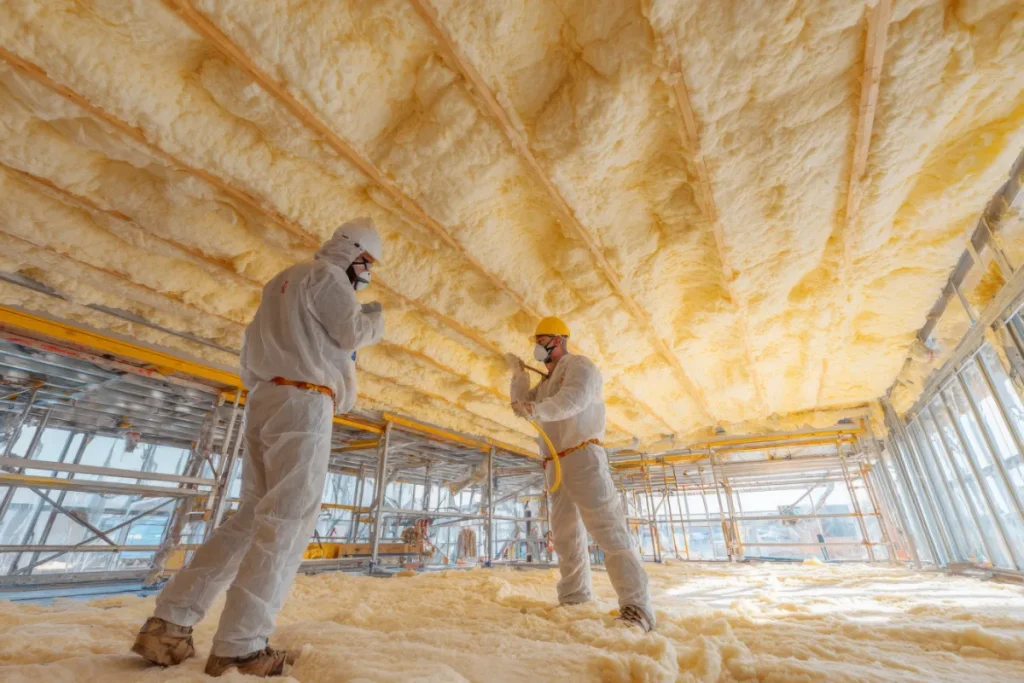
Your attic is where most Denver homes lose the most heat. When insulation is thin, settled, or missing, warm air escapes straight through the roofline and your furnace runs non-stop. We air-seal the attic floor, remove old or contaminated insulation when it needs to go, and blow in fresh insulation to the right depth, so your home finally holds its temperature and your bills come down.
ENERGY SAVINGS
Cut the heat that escapes straight through your attic.
YEAR-ROUND COMFORT
Even out hot upstairs rooms and cold floors below.
AIR SEALING EXPERTISE
We air-seal the attic floor before we ever insulate.
MOISTURE PROTECTION
Proper insulation and ventilation keep your attic dry.
PEST-RESISTANT SOLUTIONS
We remove rodent-soiled or water-damaged insulation first.
RESIDENTIAL & COMMERCIAL EXPERIENCE
Attic work for homes, offices, and commercial buildings.
From Inspection to Insulated, Step by Step
Step 1
Free
Inspection
We measure your current attic R-value and find air leaks, moisture, and pest damage.
Step 2
Personalized Advice
We recommend the right material and depth, plus removal and air sealing if your attic needs it.
Step 3
Professional Installation
We seal the attic floor, clear out old insulation, and blow in fresh insulation to an even, code-level depth.
Step 4
Long-Term Results
Enjoy warmer rooms, quieter floors, and lower energy bills for years to come.
Signs Your Attic Needs Attention
Many insulation and energy-efficiency issues develop gradually, making them easy to overlook. If you’re experiencing any of the signs below, your property may benefit from a professional inspection.
High Energy Bills
If heating and cooling costs continue to rise, insufficient insulation or hidden air leaks may be forcing your HVAC system to work harder than necessary.
Drafts & Air Leaks
Noticeable drafts around doors, windows, attics, or crawl spaces can lead to energy loss and reduced indoor comfort.
Pest Activity or Contaminated Insulation
Rodents and pests can damage insulation, leave contaminants behind, and reduce its effectiveness over time.
Uncomfortable Attic or Crawl Space Conditions
Extreme temperatures, humidity, or poor ventilation in these areas can affect the comfort and efficiency of the entire building.
Uneven Room Temperatures
Hot and cold spots throughout your property often indicate inadequate insulation coverage or areas where conditioned air is escaping.
Old or Damaged Insulation
Settled, compressed, wet, or deteriorated insulation may no longer provide the protection your property needs.
Moisture, Humidity, or Mold Concerns
Excess moisture in attics or crawl spaces can contribute to mold growth, structural issues, and poor indoor air quality.
Aging Commercial or Residential Buildings
Older properties often lack modern insulation standards and may be missing key energy-saving improvements.
Book Your Free Attic Inspection
Get a Free Quote
We’ll respond within 24 hours
By submitting this form, you agree to our Privacy Policy .
For Homes and Commercial Buildings
RESIDENTIAL
Warmer bedrooms, lower energy bills, and a quieter, healthier home.
COMMERCIAL
Lower operating costs and steadier temperatures for offices, warehouses, and multi-unit buildings.
What’s Included in an Attic Insulation Project
Many insulation and energy-efficiency issues develop gradually, making them easy to overlook.
If you’re experiencing any of the signs below, your property may benefit from a professional inspection.
Blown-In Attic Insulation
We blow in cellulose or fiberglass to an even, code-level depth (about R-49 to R-60 for Colorado attics) so the heat you pay for stays in your living space, not the attic.
Insulation Removal & Cleanout
We safely vacuum out old, settled, water-damaged, or rodent-soiled insulation with HEPA-filtered equipment and haul it away before installing fresh insulation.
Attic Air Sealing
Before we insulate, we seal the gaps, top plates, and penetrations in the attic floor where conditioned air escapes. This is the step most contractors skip, and it is what makes insulation actually perform.
Attic Ventilation Support
Balanced intake and exhaust ventilation keeps your attic dry and your insulation working, helping prevent moisture, ice dams, and mold.
Serving Denver & the Front Range
Questions Homeowners Ask Us Most
For most Colorado attics, blown-in cellulose or fiberglass is the most cost-effective choice. It fills gaps evenly and builds a high R-value fast. Closed-cell spray foam is the better pick when you want a sealed, conditioned attic at the roofline, and batt insulation really only makes sense in open new-construction framing. On your free inspection we’ll recommend the right material and depth for your attic.
If your existing insulation is dry, clean, and pest-free, we can usually add new insulation right on top. If it’s settled, water-damaged, moldy, or rodent-soiled, we remove and clean it out first with HEPA-filtered equipment, then install fresh insulation. Clearing out contaminated insulation also removes the allergens and odors that come with it.
Colorado sits in a cold climate zone, so the energy code calls for roughly R-49 to R-60 in the attic, which is about 14 to 18 inches of blown-in insulation. Many older Denver homes measure well below that, which is exactly why the upstairs runs cold and the bills run high. We measure your current depth and top it up to code.
Attic insulation is priced by square footage, the R-value you’re topping up to, the material, and whether old insulation needs removal or the attic floor needs air sealing first. Rather than quote a misleading average, we measure your attic and hand you a clear, itemized estimate at no charge, and we offer financing so you can spread it into monthly payments.
Often, yes. As an Xcel Energy trade partner, Grizzly can help you tap into available attic insulation and air-sealing rebates that lower your out-of-pocket cost. Programs and amounts change over time, so we confirm exactly what you qualify for during your estimate and handle the paperwork wherever we can.
Any season works, but fall and spring are the most popular because you feel the difference right before the heating or cooling season hits. Crews also fill up fast before winter, so booking early means your attic is done before the first hard freeze.
Loose insulation can turn into a nesting spot if rodents get into your attic, which is one reason we remove contaminated insulation and recommend sealing entry points. For homes with a history of pests, we also handle rodent exclusion and cleanup so your fresh insulation stays clean.
Still Have Questions?