
Attic Air Sealing in Denver, Colorado
Stop the hidden air leaks driving up your energy bills. We seal your attic before we insulate, so your home finally holds its heat.
Lower Energy Costs
Healthier Indoor Air
Improved Indoor Comfort
Long-Term Protection
Why Denver Homeowners Trust Grizzly
Air sealing is the step most contractors skip, and it is the reason an insulated attic can still feel drafty. Warm air rises and escapes through dozens of small gaps in your attic floor: around recessed lights, top plates, plumbing and wiring penetrations, and the attic hatch. At Denver’s altitude this stack effect is even stronger. We find and seal every one of those leaks so your insulation can finally do its job, your furnace gets a break, and your rooms stay comfortable.
ENERGY SAVINGS
Stop the warm air leaking out through your attic floor.
YEAR-ROUND COMFORT
Even out drafty rooms and cold spots, floor to floor.
AIR SEALING EXPERTISE
We seal every gap, penetration, and top plate we find.
MOISTURE PROTECTION
Sealing blocks the moist air that feeds attic mold and ice dams.
PEST-RESISTANT SOLUTIONS
A sealed attic keeps dust, allergens, and outside air out.
RESIDENTIAL & COMMERCIAL EXPERIENCE
Air sealing for homes, offices, and commercial buildings.
How We Seal Your Attic, Step by Step
Step 1
Free
Inspection
We inspect your attic and pinpoint exactly where air is leaking.
Step 2
Personalized Advice
We map every penetration and gap, then give you a clear scope and quote.
Step 3
Professional Installation
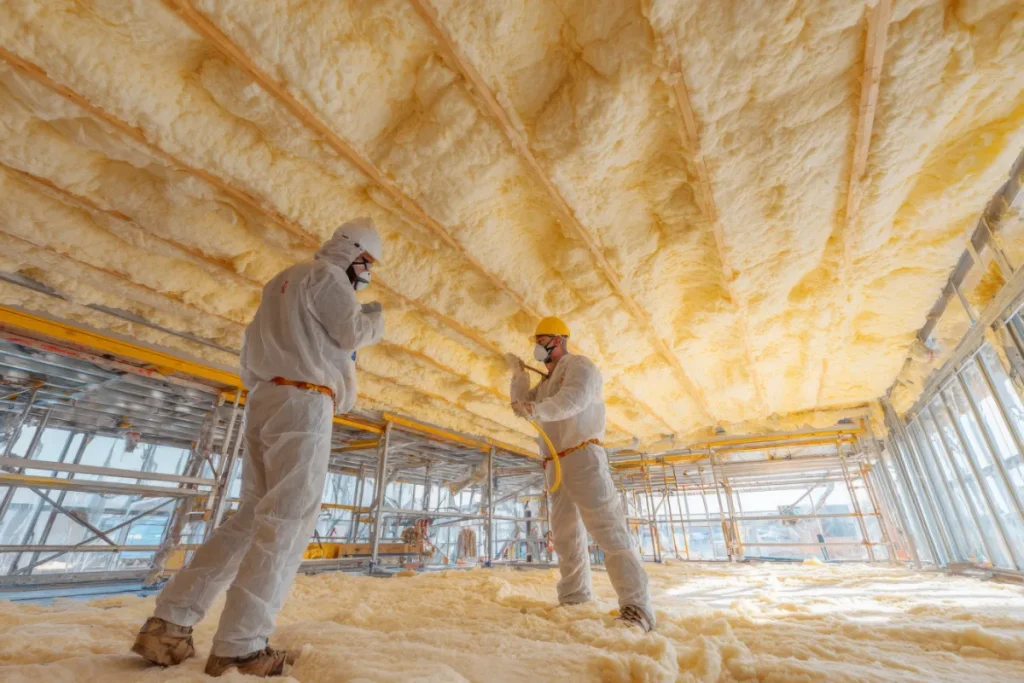
We seal can lights, top plates, and penetrations with foam and fire-rated sealant.
Step 4
Long-Term Results
Enjoy a draft-free, quieter home and noticeably lower energy bills.
Signs Your Attic Is Leaking Air
Many insulation and energy-efficiency issues develop gradually, making them easy to overlook. If you’re experiencing any of the signs below, your property may benefit from a professional inspection.
High Energy Bills
If heating and cooling costs continue to rise, insufficient insulation or hidden air leaks may be forcing your HVAC system to work harder than necessary.
Drafts & Air Leaks
Noticeable drafts around doors, windows, attics, or crawl spaces can lead to energy loss and reduced indoor comfort.
Pest Activity or Contaminated Insulation
Rodents and pests can damage insulation, leave contaminants behind, and reduce its effectiveness over time.
Uncomfortable Attic or Crawl Space Conditions
Extreme temperatures, humidity, or poor ventilation in these areas can affect the comfort and efficiency of the entire building.
Uneven Room Temperatures
Hot and cold spots throughout your property often indicate inadequate insulation coverage or areas where conditioned air is escaping.
Old or Damaged Insulation
Settled, compressed, wet, or deteriorated insulation may no longer provide the protection your property needs.
Moisture, Humidity, or Mold Concerns
Excess moisture in attics or crawl spaces can contribute to mold growth, structural issues, and poor indoor air quality.
Aging Commercial or Residential Buildings
Older properties often lack modern insulation standards and may be missing key energy-saving improvements.
Book Your Free Attic Air-Leak Assessment
Get a Free Quote
We’ll respond within 24 hours
By submitting this form, you agree to our Privacy Policy .
For Homes and Commercial Buildings
RESIDENTIAL
A tighter home means warmer rooms, less dust, and lower energy bills.
COMMERCIAL
Sealed commercial buildings cost less to heat and cool and stay more comfortable.
Where Your Attic Is Leaking Air
Many insulation and energy-efficiency issues develop gradually, making them easy to overlook.
If you’re experiencing any of the signs below, your property may benefit from a professional inspection.
Recessed Can Lights
Older recessed lights are the number one air leak in most Denver homes built before 2000. We cover and seal them with airtight, fire-rated covers.
Top Plates & Wall Gaps
The seams where interior and exterior walls meet the attic floor leak constant air. We seal them along every top plate.
Plumbing & Wiring Penetrations
Every pipe, vent stack, and wire that passes into the attic leaves a gap. We seal each penetration tight.
Attic Hatch & Pull-Down Stairs
The attic access is often the single biggest leak in the house. We weatherstrip and insulate the hatch or stair cover.
Serving Denver & the Front Range
Questions Homeowners Ask Us Most
Usually, yes. Insulation slows heat transfer, but it does not stop air from leaking through the gaps around it. Without air sealing, warm air rises right past your insulation and escapes through the attic. Sealing first is what makes the insulation you already have actually perform.
Always seal first. Air sealing has to happen on a clean attic floor where we can see and reach every penetration. Once insulation is blown in, those leaks are buried and much harder to find. Sealing first and then insulating is the only order that works, which is why we handle both in the right sequence.
Cost depends on the size of your attic and how many leak points need sealing. Air sealing is usually far less expensive than homeowners expect, and it is one of the highest-return upgrades you can make because it cuts energy loss right away. We give a free, itemized estimate, and Xcel rebates often offset part of the cost.
It helps a lot. Ice dams form when warm air leaks into the attic, melts the snow on the roof, and the runoff refreezes at the cold eaves. By sealing the leaks that let heat into the attic in the first place, air sealing and proper insulation keep the roof deck colder and reduce ice dams.
You can seal a few obvious gaps, but the leaks that matter most, recessed lights, top plates, and hidden penetrations, are hard to find and call for fire-rated materials and proper technique. A professional assessment finds the leaks you cannot see and seals them safely, which is what delivers the real energy savings.
For most Denver homes, yes. Air sealing is one of the lowest-cost, highest-return energy upgrades because it stops the constant air leakage that makes your furnace work overtime. Paired with insulation, homeowners usually notice fewer drafts and a real drop in energy bills, and Xcel rebates often help cover the cost.
Still Have Questions?