
How Rigid Mineral Wool Insulation Compares to Foam Board on R-Value, Cost and Best Uses

What Wall Insulation R-Value Colorado Homes Need for 2×4 and 2×6 Walls

How Fireplace Insulation Stops Cold Drafts Without Creating a Fire Risk

How Cavity Wall Insulation Works in US Homes and When It Is Worth Doing
How Rockwool Exterior Insulation Boards Work as Continuous Insulation on Your Walls
How R23 Insulation Mineral Wool Batts Fit 2×6 Walls and Why Builders Choose Them
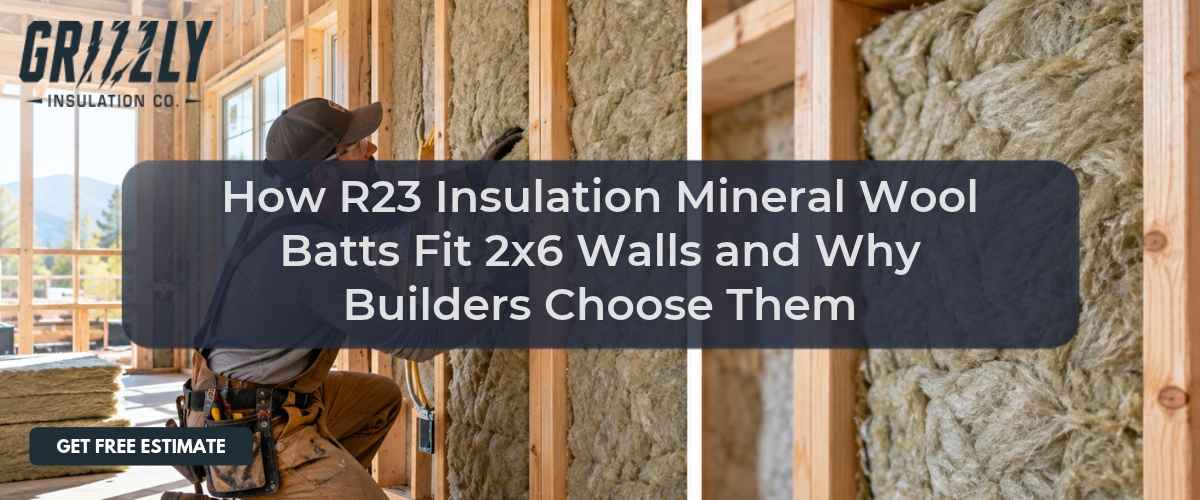
R23 insulation is a mineral wool batt that’s 5.5 inches thick, the exact depth of a 2×6 wall. It comes in widths of about 15 inches for studs 16 inches apart and 23 inch widths for studs 24 inches apart. It friction-fits between studs without staples. Builders choose it because it fits tight, resists fire …
More
What Colorado Building Code Requires for New Construction Insulation and Where to Upgrade
How Thick R25 Insulation Is and Whether It Is Enough for Floors and Attics
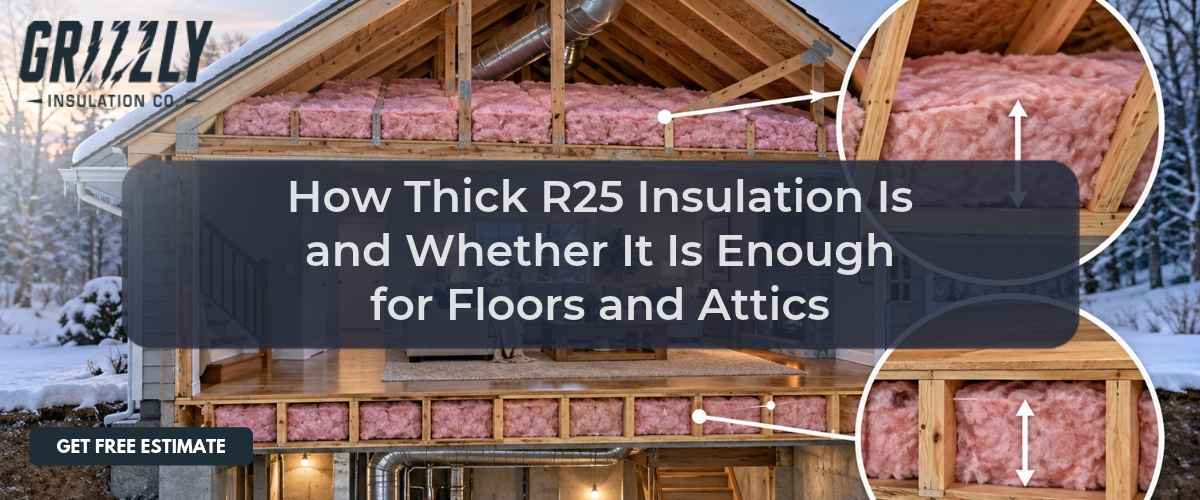
R25 insulation is about 8 inches thick as a fiberglass batt, about 7 inches as blown cellulose and about 10 inches as blown fiberglass. Closed cell spray foam reaches R25 in about 4 inches. R25 is a good fit for floors over garages and crawl spaces, where it fills a 2×8 or 2×10 joist bay. …
More
Sound Attenuation Batt Insulation Specifications Explained With STC Ratings and Where to Use Them
Sound attenuation batt insulation, often called SAB, is a thin, unfaced batt made to fill interior walls and ceilings for noise control. It usually comes 2.5 to 3.5 inches thick, in 16 or 24 inch widths, made of fiberglass or mineral wool. On its own, SAB adds about 3 to 6 STC points to a …
More
- Insured & Certified
- 100% Guarantee
- Free Estimates