
Commercial buildings use Foamglas cellular glass insulation where ordinary foam boards fall short. It’s made of glass blown into tiny sealed bubbles, so it won’t burn, won’t soak up water and blocks water vapor completely. It’s also strong enough to sit under concrete slabs and heavy roof decks. The trade-off is a modest R-value, about …
More
Why Commercial Buildings Use Foamglas Cellular Glass Insulation
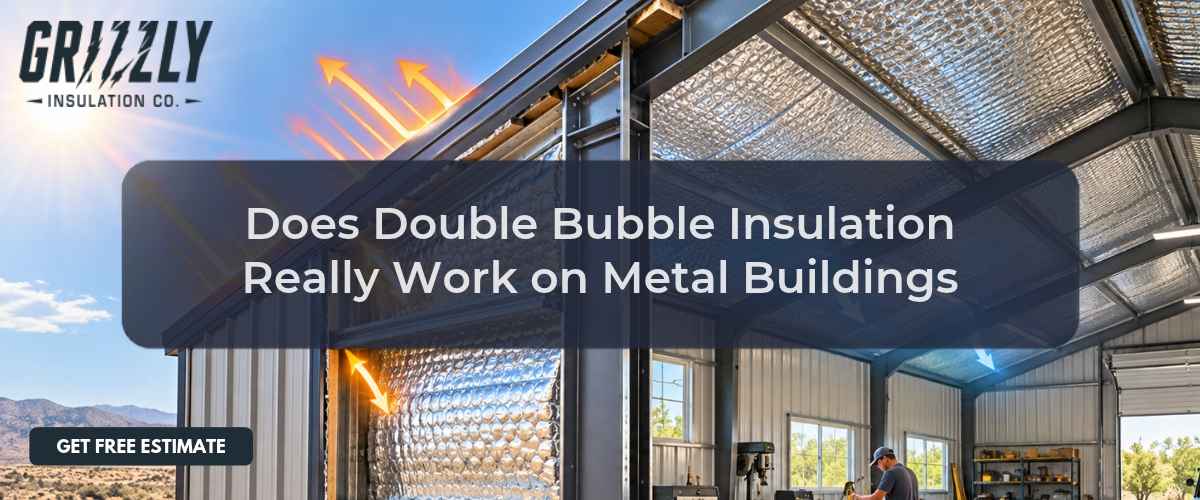
Does Double Bubble Insulation Really Work on Metal Buildings
Double bubble insulation does work on metal buildings, but only in a narrow way. It needs an open air gap next to its foil face, and its main jobs are blocking summer sun heat and stopping condensation from dripping off the steel. Pressed flat against metal with no air space, it adds very little R-value. …
More
Alpha Insulation and Waterproofing: What It Is & Where It Works Best

Industrial Thermal Insulation: What It Is & Where It Works Best

Flat Roof Insulation: Above the Deck or Below & Which Prevents Condensation
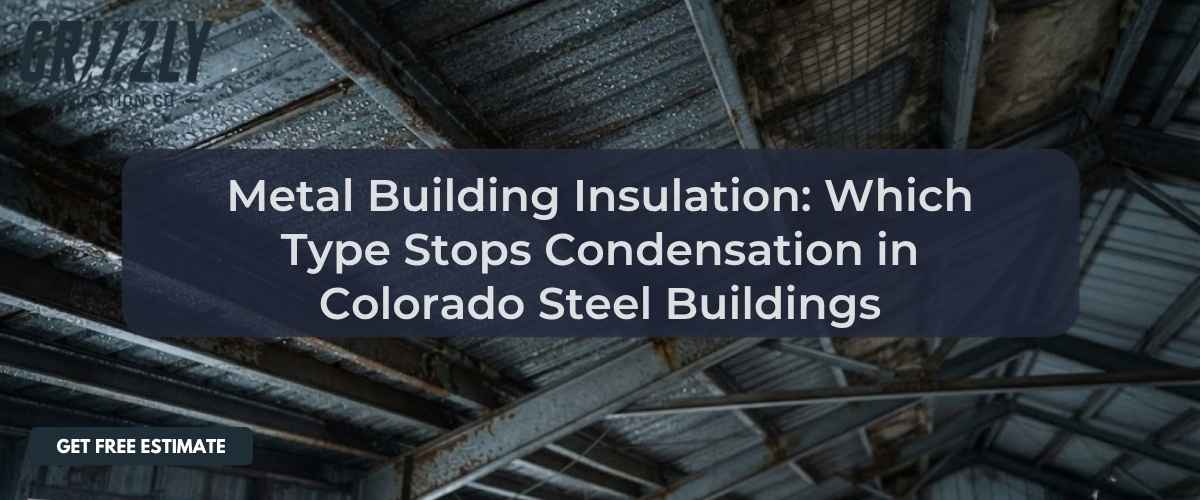
Metal Building Insulation: Which Type Stops Condensation in Colorado Steel Buildings
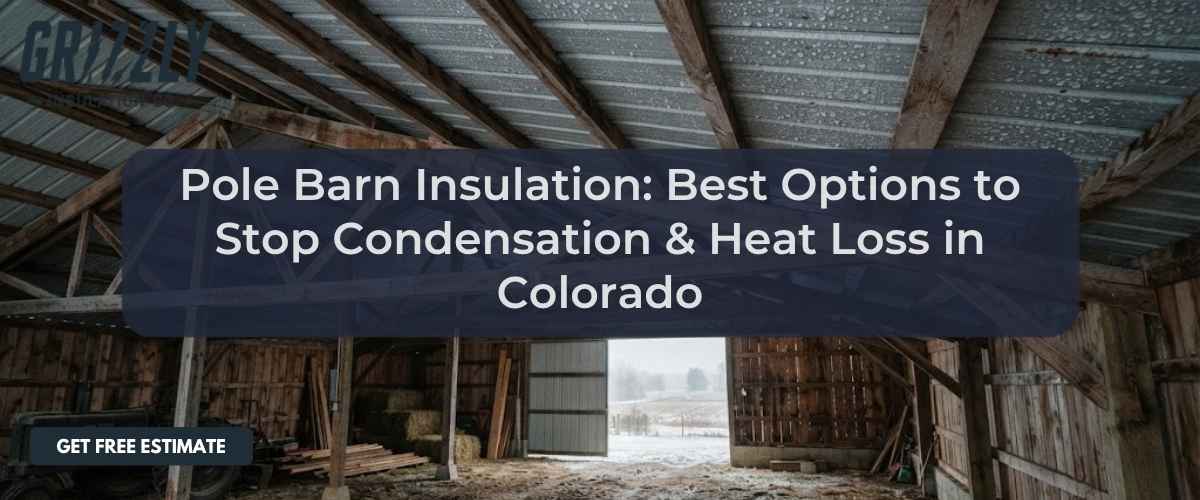
Pole Barn Insulation: Best Options to Stop Condensation & Heat Loss in Colorado

How Does Commercial Soundproofing Actually Work in a Denver Building?

What Humidity Control Does a Denver Library Need for Book Preservation?
A Denver library needs relative humidity held between 30 and 50 percent for general book collections, with temperature at or below 70 degrees Fahrenheit. That number matters less than what happens around it, though. A room that swings from 35 to 55 percent humidity every week damages a collection faster than a room that sits …
More