
Rockwool R30 insulation is 7.25 inches thick. That’s the exact depth of a 2×8 joist or rafter, so it fills that space without squeezing. The batts come 15.25 inches wide for framing 16 inches apart and 23 inches wide for framing 24 inches apart, and each is 47 inches long. It fits best in 2×8 …
More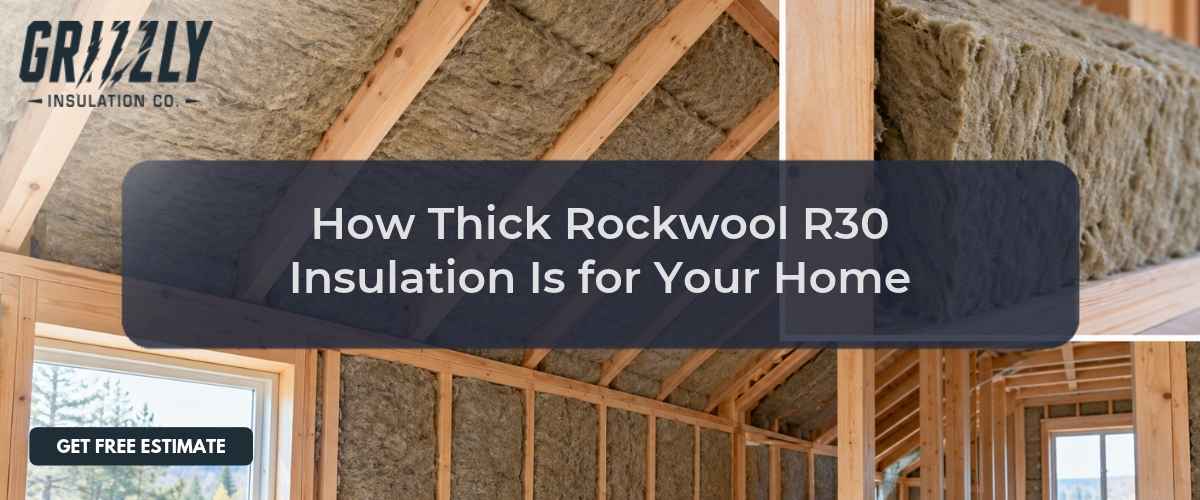
How Thick Rockwool R30 Insulation Is for Your Home
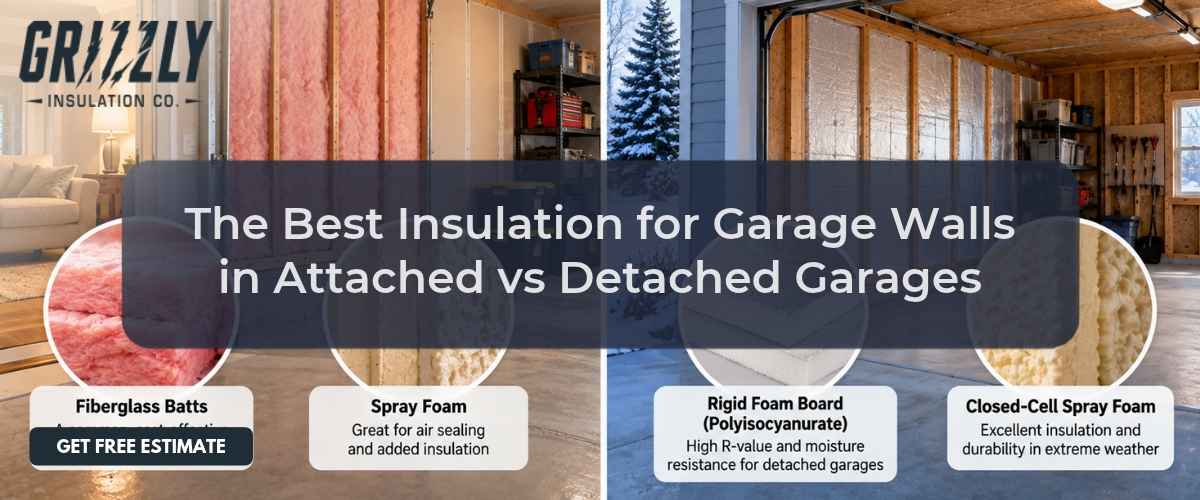
The Best Insulation for Garage Walls in Attached vs Detached Garages
For an attached garage, the best insulation goes on the wall you share with the house. Use fiberglass or mineral wool batts, seal every gap so car fumes stay out, and cover the garage side with drywall as the fire code requires. The outside garage walls only matter if you heat the space. For a …
More
How to Use a Wall Insulation Calculator for Your Home
A wall insulation calculator does three simple things. It finds the total area of your outside walls, subtracts the windows and doors, then divides what’s left by how much one bag covers. For batts, the coverage is printed on the bag. For dense-pack cellulose in a 2×4 wall, plan on roughly three-quarters of a pound …
More
Fiberglass Insulation on Skin: How to Remove It & Stop the Itch
After an afternoon moving old batts in a Denver attic, many homeowners climb down with red, prickly forearms and an itch that will not quit. The fibers are too small to see clearly, yet they seem to be everywhere: on the arms, the neck, and inside the cuffs of a shirt. Scratching makes it worse, …
More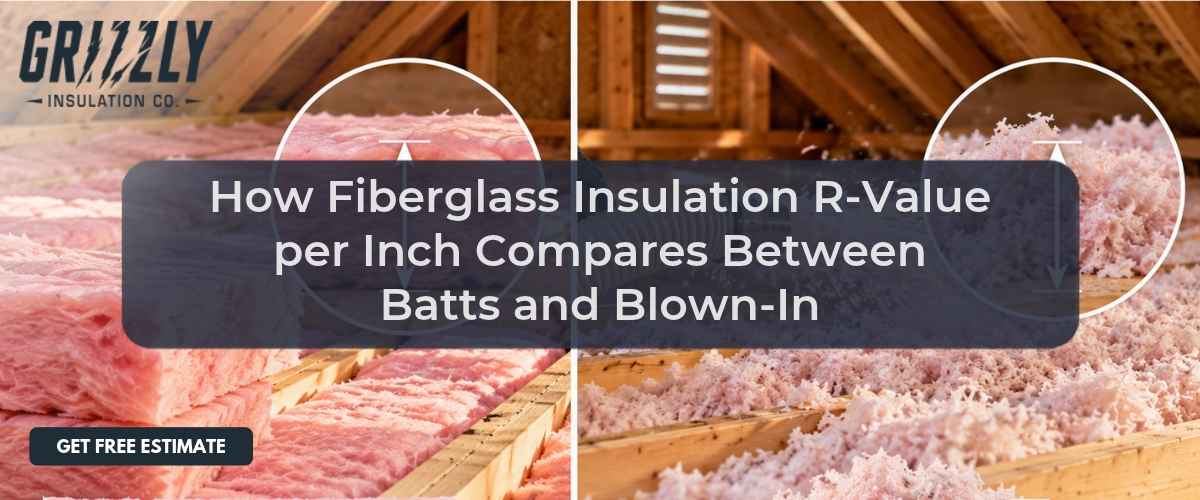
How Fiberglass Insulation R-Value per Inch Compares Between Batts and Blown-In
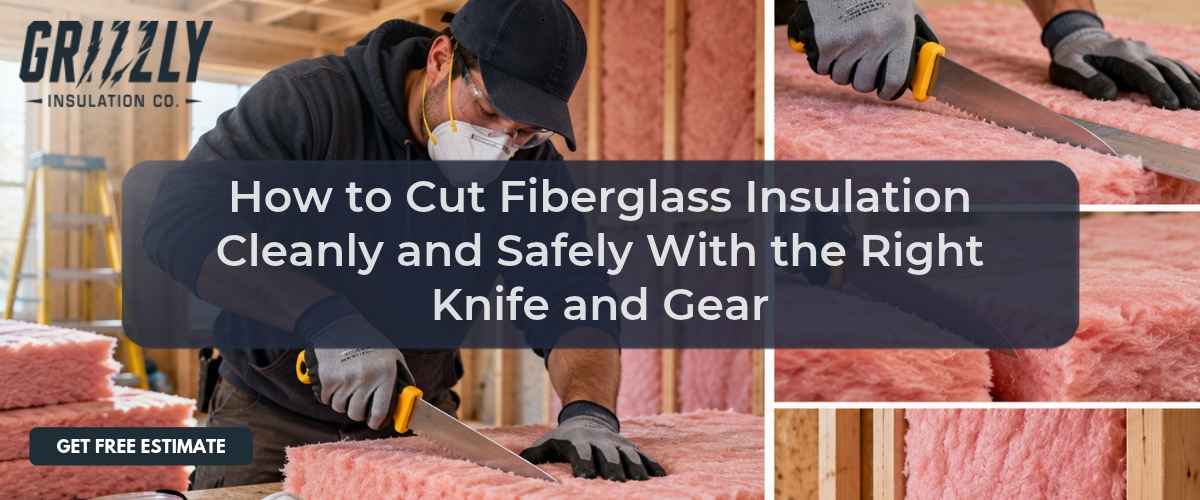
How to Cut Fiberglass Insulation Cleanly and Safely With the Right Knife and Gear

What Wall Insulation R-Value Colorado Homes Need for 2×4 and 2×6 Walls
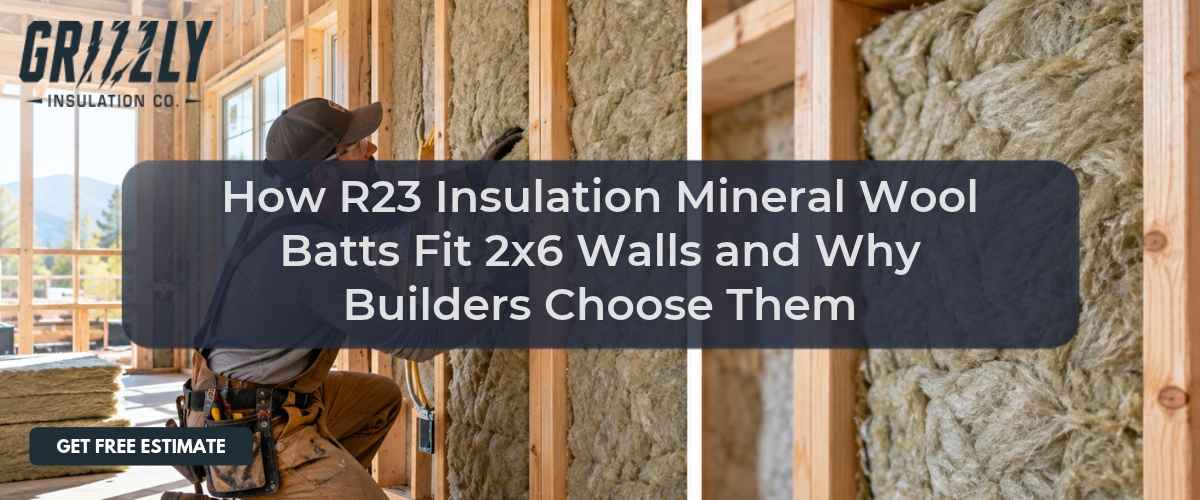
How R23 Insulation Mineral Wool Batts Fit 2×6 Walls and Why Builders Choose Them
R23 insulation is a mineral wool batt that’s 5.5 inches thick, the exact depth of a 2×6 wall. It comes in widths of about 15 inches for studs 16 inches apart and 23 inch widths for studs 24 inches apart. It friction-fits between studs without staples. Builders choose it because it fits tight, resists fire …
More
Sound Attenuation Batt Insulation Specifications Explained With STC Ratings and Where to Use Them
Sound attenuation batt insulation, often called SAB, is a thin, unfaced batt made to fill interior walls and ceilings for noise control. It usually comes 2.5 to 3.5 inches thick, in 16 or 24 inch widths, made of fiberglass or mineral wool. On its own, SAB adds about 3 to 6 STC points to a …
More